← BACK TO RESOURSES
MA-UNI
A HUMAN-ORIENTED ARTIFICIAL PLATFORM
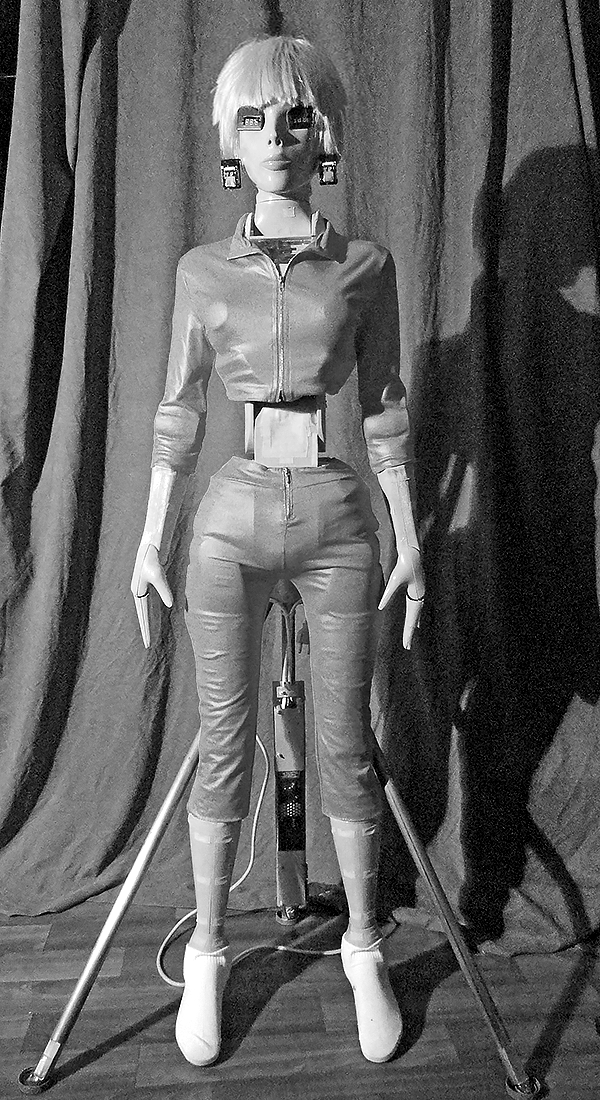
From an independent long-term vision
to a physical humanoid platform.
EXECUTIVE INTRODUCTION
What Is MA-UNI?
MA-UNI is an independently developed HUMANOID BODY ARCHITECTURE PLATFORM created in Bulgaria through more than three decades of conceptual research and several years of practical design and prototyping.
The project already exists as a full-scale physical prototype demonstrating a complete human-scale body with integrated mechanics, embedded electronics, autonomous power supply and programmable coordinated movement.
At this stage MA-UNI is not presented as a finished commercial humanoid robot.
It is presented as the first physical realization of a broader architectural concept whose purpose is to explore how a coherent humanoid body can be designed as a long-term technological platform rather than as a single-purpose robotic machine.
The objective of this document is to describe that architectural concept, explain the principles behind the existing prototype and define the direction of its future engineering development.
This document is intended for robotics engineers, industrial designers, research laboratories, technology organizations and potential development partners interested in evaluating MA-UNI from a professional perspective.
ARCHITECTURAL APPROACH
A Different Starting Point
MA-UNI proposes a different architectural approach to humanoid robotics.
The project does not begin by asking how to build the strongest, fastest or most autonomous humanoid machine.
It begins by asking how a coherent humanoid body can become the permanent architectural foundation for future generations of robotics technology.
MA-UNI separates two different layers of development:
Body Architecture — the persistent geometry and structural organization of the humanoid body.
Engineering Systems — the mechanical, electronic and intelligent systems that evolve inside that architecture over time.
This difference defines the entire project.
The architecture remains the identity of the platform.
The engineering evolves through future generations.
A humanoid robot should not only perform human-oriented tasks.
It should also communicate a recognizable artificial presence.
Current Physical Prototype
The Prototype Exists
The current MA-UNI prototype represents the first full-scale
physical realization of the concept.
Human Scale
155–160 cm / height
Lightweight
10–15 kg / weight
FLEXIBILITY
30-100 servo-driven joints
Control
Arduino Mega-based embedded architecture.
Fabrication
Digitally designed and 3D-printed components.
Low Cost
US$2,000-3,000 *
* The prototype was developed with extremely limited resources.
The approximate material and fabrication cost is around
US$2,000, excluding development labor.
This figure should not be interpreted as the projected cost of
an industrial humanoid. Its significance is that the fundamental
physical concept was explored and realized independently with
very limited resources.
The value of the prototype is not that it is finished.
The value is that it proves the concept can become physical.
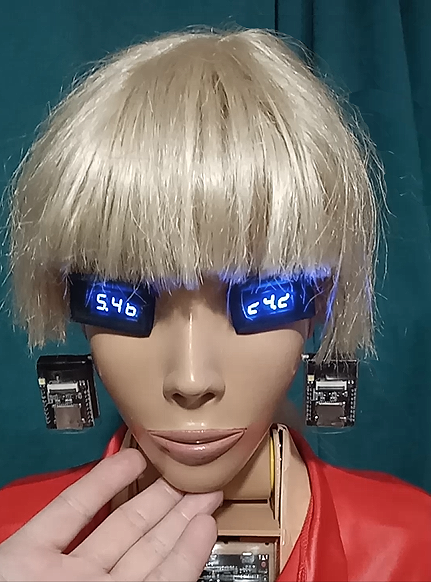
One of the possible characteristic faces of MA-UNI.
The actual scale of the face and body is shown in comparison with a human hand.
NOTE:
There are no promotional photographs on this website. The photographs shown are working photographs documenting the real MA-UNI prototype during its development.
Captured in natural working conditions, they show the actual machine, its current state, and the development process as it is — without staging or artificial presentation.
PRESENT AND FUTURE
From Idea To Market Potential
MA-UNI has already passed through the essential stages required to transform an independent idea into a real, physically existing humanoid platform.
DEVELOPMENT MILESTONES:
-
01 — IDEA
The initial long-term vision of a human-oriented artificial platform.
-
02 — CONCEPT
Definition of the fundamental concept, purpose and architectural principles.
-
03 — DESIGN VISION
Development of the visual identity, proportions and recognizable physical character of MA-UNI.
-
04 — STRUCTURAL ENGINEERING
Development of the physical architecture, articulated structure, joints and mechanical components.
-
05 — PHYSICAL COMPONENTS
Production and assembly of the physical structural components, including digitally manufactured and 3D-printed elements.
-
06 — ELECTRICAL SYSTEM
Development and integration of the electrical architecture, power system, electronics and servo-control hardware.
-
07 — SOFTWARE ENVIRONMENT
Creation of the initial programmable environment required for coordinated movement and system control.
-
08 — PRELIMINARY VALIDATION
Initial testing of the physical platform, its movement capabilities and the practical viability of the underlying concept.
MA-UNI has therefore completed the fundamental transition:
FROM IDEA → TO CONCEPT → TO DESIGN → TO ENGINEERING → TO PHYSICAL MACHINE → TO MARKET POTENTIAL
The next stage is focused on advanced engineering, autonomous capabilities, application development, industrialization and strategic partnerships — while the existing machine can already be explored for real-world commercial applications.
The Next Stage
The next stage focuses on enabling MA-UNI to stand independently without external support, learn to walk at a calm and stable pace, recognize its surroundings, and navigate within them.
This stage involves further engineering development.
The Third Stage
The third stage is dedicated to the advanced specialized development of the machine, transforming it into a fully functional "industrial prototype" that is ready for manufacturing and production.
Marked Potential
Even in this initial basic configuration, MA-UNI is capable of performing movements and articulations that can be used for practical purposes, making it "marketable" as a commercial product.
Potential applications include advertising and promotional presentations, use as a display mannequin in shop windows, and as an intelligent assistant or consultant in stores, exhibitions, museums, and other public spaces.
MA-UNI has reached a stage where advanced engineering, technology partnerships, manufacturing expertise and strategic resources can determine how far the platform can be developed.
However, while this development is important for MA-UNI, parallel efforts can also focus on integrating the existing machine into real-world applications and realizing its market potential.
Even at this stage, MA-UNI already demonstrates REAL COMMERCIAL APPLICABILITY.
PARTNERSHIPS
Join the Development of MA-UNI
We are looking to connect with people and organizations who recognize the potential of MA-UNI not only as an engineering project, but also as a market-oriented product with the potential to develop into a sustainable business venture.
We welcome those who are interested in becoming actively involved in the development, application, commercialization, and future growth of MA-UNI, and in sharing in the value and potential returns created through such collaboration.
We are particularly interested in establishing partnerships with:
- Engineering companies and technology startups — whether focused on humanoid robotics, artificial intelligence, automation, mechatronics, or other related fields;
- Research institutes, universities, and laboratories interested in contributing knowledge, technologies, testing capabilities, or research expertise;
- Industrial and product design studios, as well as creative, advertising, and branding agencies;
- Investment funds, venture capital firms, and private investors interested in emerging technologies and innovative engineering projects;
- Independent entrepreneurs and business developers who see opportunities for new applications, markets, and business models;
- Individuals and professionals with a strong interest in humanoid robotics, advanced technologies, innovation, entrepreneurship, or the future of human-machine interaction.
The broader objective is to explore how MA-UNI can evolve from an engineering concept into a useful, competitive, and commercially viable product, supported by a network of technological and business partners.
Let's Build It Together
If you believe that MA-UNI has the potential to become something significant — technologically, commercially, or both — we invite you to get in touch.
For more information and contact details, please visit:
ma-uni.com
Closing Though
MA-UNI Became Physical
More than three decades of exploration have transformed
an abstract vision into a physical humanoid foundation.
The next question is no longer whether MA-UNI can exist.
MA-UNI EXIST!
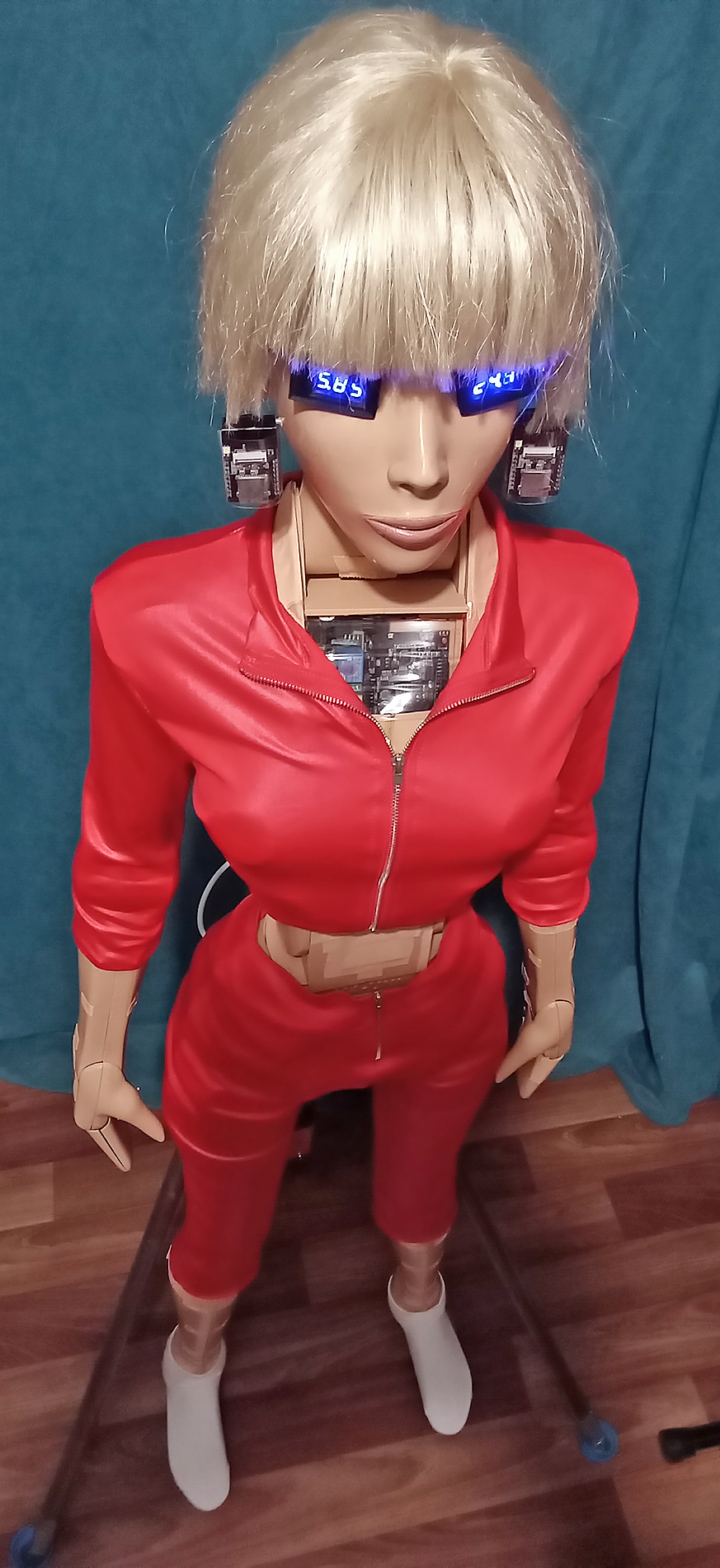
The next stage is COLABORATION.
To turn this project into something that meets the needs of everyone who wants to use it.
← BACK TO RESOURSES